
How to Build a Healthy Diet You Can Actually Stick With
Eating a healthy diet sounds simple until you try to put it into practice. Between changing nutrition trends, restrictive diets, social media advice, busy schedules, and conflicting information about what you should or should not eat, figuring out how to eat healthier can quickly become overwhelming.
The good news is that healthy eating does not have to mean following a perfect diet. In fact, one of the most effective approaches to nutrition is finding a realistic rhythm that supports your goals while fitting into your everyday life.
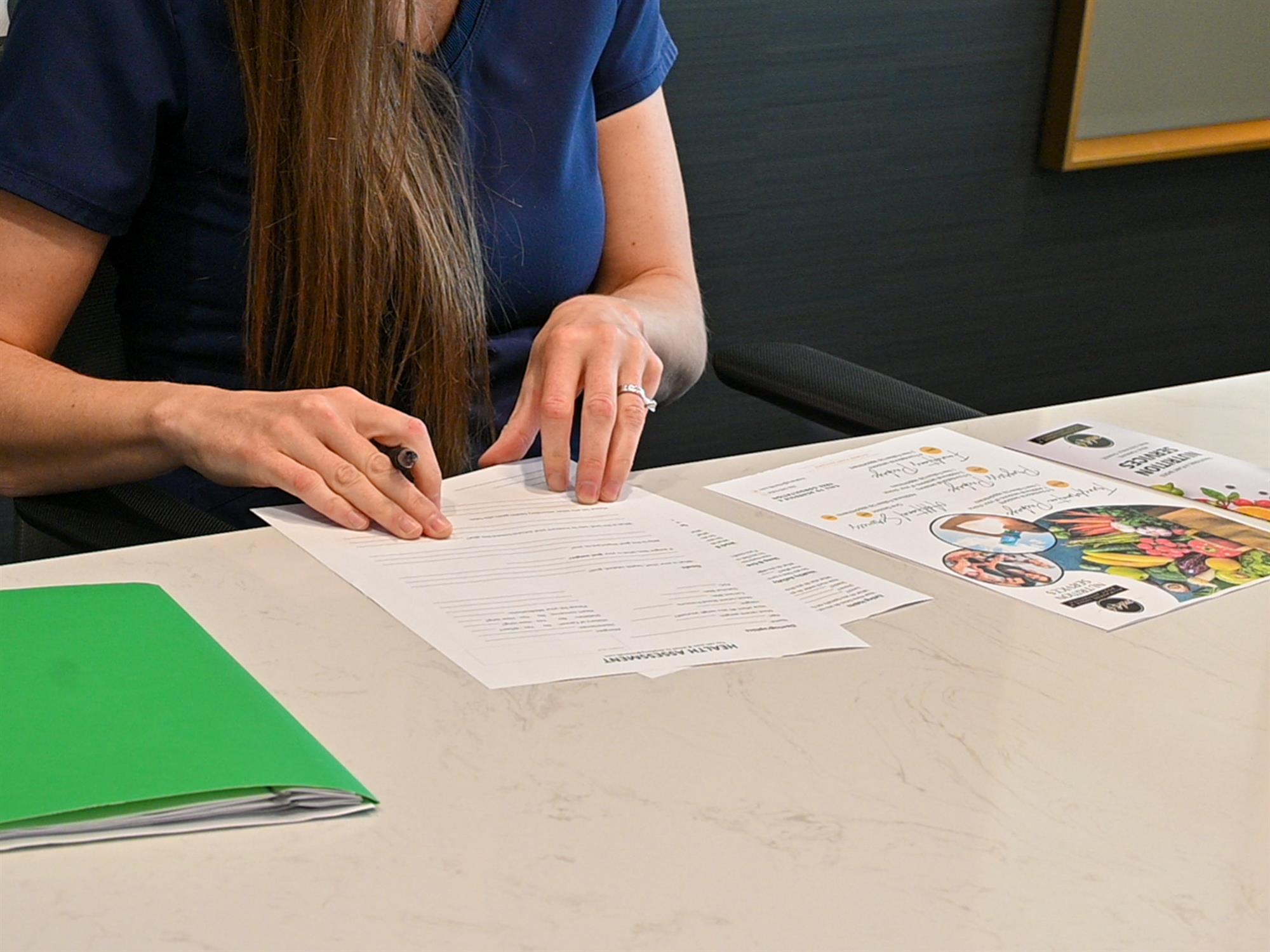
At Milwaukee Laser & Body Aesthetics, our nutrition counseling services focus on helping patients develop sustainable eating habits through personalized, evidence-based guidance. Here are some practical ways to start building a healthier relationship with food.
What Does a Healthy Diet Actually Look Like?
There is no single diet that works perfectly for everyone. Your nutritional needs can depend on your age, activity level, health considerations, goals, preferences, and daily routine.
Generally, a balanced diet focuses on a variety of nutrient-rich foods while still allowing flexibility.
This may include:
- Fruits and vegetables
- Whole grains
- Lean protein sources
- Healthy fats
- Fiber-rich foods
- Adequate hydration
Rather than labeling foods as strictly "good" or "bad," it can be more helpful to look at your overall eating pattern. One meal or snack will rarely determine your progress. Consistency over time matters much more.
Focus on Adding Nutritious Foods
Many diets begin by telling you what you cannot eat. That approach can make healthy eating feel restrictive before you even get started.
Instead, consider what you can add.
Could you add vegetables to lunch? Could breakfast include a source of protein? Could you choose a piece of fruit for an afternoon snack? Could you drink another glass of water during the day?
Small additions can gradually improve the nutritional quality of your meals without requiring you to completely change your lifestyle overnight.
Include Protein in Your Meals
Protein is an important part of a balanced diet and supports many functions throughout the body. It can also help meals feel satisfying.
Depending on your dietary preferences, protein sources may include:
- Chicken or turkey
- Fish
- Eggs
- Greek yogurt
- Beans and lentils
- Tofu
- Nuts and seeds
Your individual protein needs can vary, which is one reason personalized nutrition counseling can be helpful. Instead of following generalized recommendations online, a nutrition professional can help you determine what makes sense for your goals and lifestyle.
Eat More Fruits and Vegetables
You've probably heard this advice before, but there is a reason it remains a cornerstone of healthy eating.
Fruits and vegetables provide essential vitamins, minerals, fiber and other nutrients. Variety matters, so try incorporating different types and colors throughout the week.
You do not need to completely overhaul every meal. Simple changes can help, such as adding berries to breakfast, including vegetables with dinner, or keeping convenient fruits available for snacks.
Frozen and canned options can also be useful when fresh produce is not practical. Healthy eating should work with your schedule, not against it.
Do Not Forget About Healthy Fats
Dietary fat has sometimes received an unfair reputation. Your body needs fat, and certain sources can be an important part of a balanced eating pattern.
Sources of unsaturated fats include foods such as:
- Avocados
- Nuts
- Seeds
- Olive oil
- Certain fish
The goal is not to eliminate an entire nutrient group. Instead, a sustainable diet focuses on appropriate portions and a balance of nutrients that support your individual needs.
Make Hydration Part of Your Routine
Nutrition is not only about food. Staying hydrated is another important part of supporting your overall wellness.
Water needs vary depending on activity, climate, diet, and other individual factors. Creating simple hydration habits can make drinking enough fluids easier.
Try carrying a reusable water bottle, drinking water with meals, or creating reminders throughout your day if you frequently forget.
Stop Chasing the "Perfect" Diet
One of the biggest obstacles to healthy eating is an all-or-nothing mindset.
You might follow a strict plan for several weeks, have one meal that does not fit the rules, and suddenly feel like all your progress is gone. That cycle can make nutrition unnecessarily stressful.
Sustainable eating allows room for restaurants, celebrations, vacations, favorite foods, and busy days.
The goal should be developing habits you can realistically maintain for months and years, rather than following a rigid plan for a few weeks.
Plan Ahead for Busy Days
Healthy choices become much easier when they are convenient.
A little planning can help prevent situations where you are extremely hungry with no realistic meal options available.
Consider preparing:
- Easy breakfasts
- Grab-and-go snacks
- Ingredients for quick dinners
- Pre-portioned lunches
- Simple protein options
Meal planning does not necessarily mean spending your entire Sunday preparing identical containers of food. It can simply mean thinking ahead about what you will eat and making sure you have practical options available.
Make Changes Gradually
If your current eating habits are far from where you want them to be, you do not have to change everything at once.
Trying to overhaul breakfast, lunch, dinner, snacks, hydration, and exercise simultaneously can be exhausting and unsustainable.
Instead, choose one or two manageable goals.
Maybe this week you focus on eating a balanced breakfast. Next week, you work on adding more vegetables. As those behaviors become routine, you can continue building on them.
Small changes may not feel dramatic, but they can become powerful when maintained consistently.
Why Personalized Nutrition Guidance Matters
Modern-day nutrition can be confusing. Many people who try to improve their eating habits find themselves spinning their wheels, losing motivation, or realizing that the latest diet they tried simply is not sustainable.
That is where individualized guidance can make a difference.
Your nutrition plan should account for your goals as well as your real-world limitations. Your schedule, preferences, challenges, and lifestyle all matter.
A personalized approach can help you identify which changes are realistic for you and develop strategies for making new habits sustainable.
Nutrition Counseling in Milwaukee & Brookfield
At Milwaukee Laser & Body Aesthetics, nutritionist Stephany takes an evidence-based approach to nutrition counseling, helping patients find the sweet spot between their personal goals and the realities of everyday life.
Instead of chasing temporary diet trends, nutrition counseling can help you better understand your eating habits, establish realistic goals, and create a strategy that is designed specifically for you.
Milwaukee Laser & Body Aesthetics offers affordable nutrition counseling plans and multiple payment options, making personalized support more accessible for individuals ready to make a change.
Build Healthy Habits That Last
Eating a healthy diet does not require perfection. It requires finding an approach you can realistically maintain.
By focusing on balanced meals, nutritious foods, hydration, planning, and gradual changes, you can create habits that support your health without making food feel overwhelming.
If you are tired of conflicting nutrition advice or struggling to find a path you can maintain, schedule a nutrition counseling consultation with Milwaukee Laser & Body Aesthetics. With personalized, evidence-based guidance from Stephany, you can build a healthier approach to nutrition that fits your goals, preferences, and everyday life.